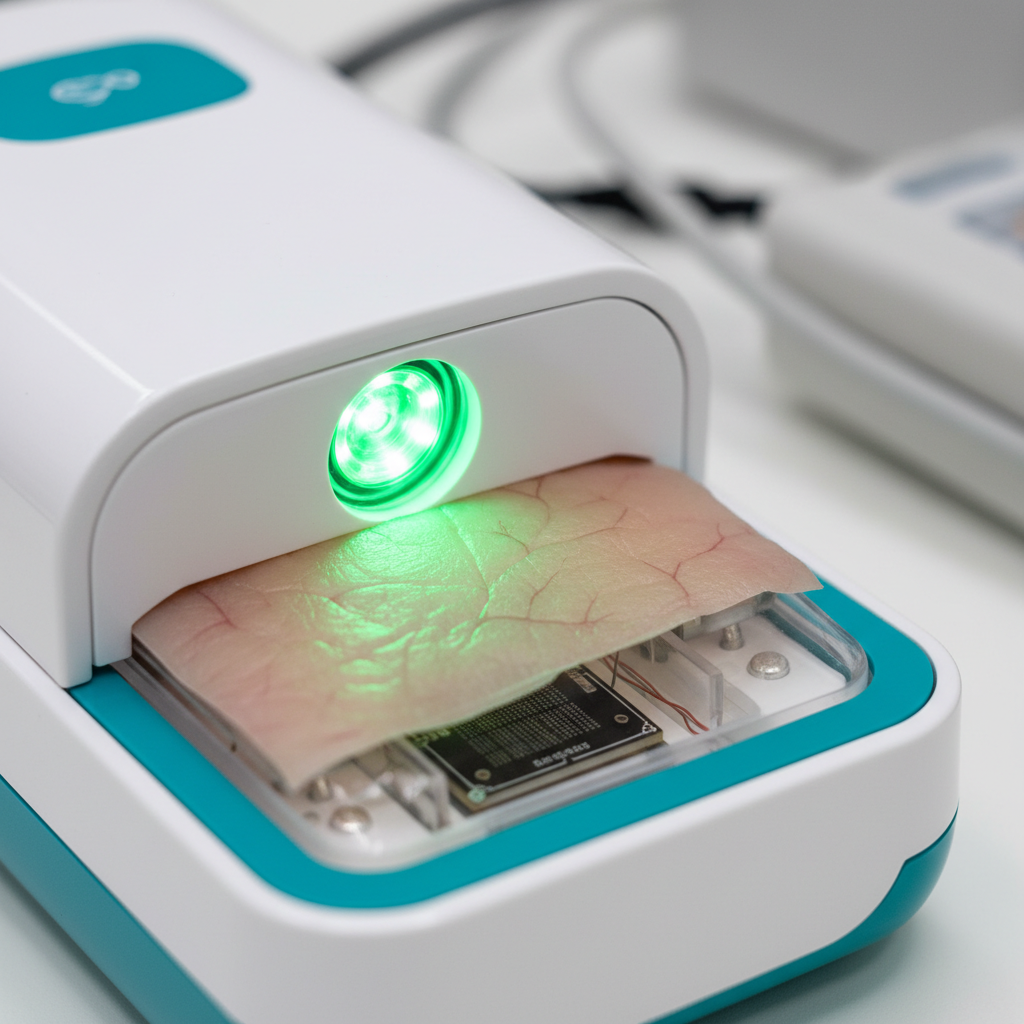
The Ambient Light Problem in Photoplethysmography
Photoplethysmography (PPG) sensors measure blood volume changes by shining light into tissue and detecting reflected or transmitted photons. Consumer devices—smartwatches, earbuds, finger clips—rely on this principle for heart rate, SpO₂, and emerging metrics like glucose estimation. Yet outdoor use or bright indoor lighting floods the photodetector with ambient photons, swamping the tiny 1–5% AC signal from arterial pulsation. A smartphone flashlight held near the sensor can push ambient contribution from 2% to 60% of the total photodetector current, rendering the signal unusable.
Traditional approaches—analog high-pass filters, DC offset subtraction—fail when ambient light changes faster than the cardiac cycle (0.8–2 Hz). A user walking from shade into sunlight introduces a 200 ms step change that looks like a massive pulse deflection. Motion artifacts from wrist or finger movement compound the issue: accelerometer spectra overlap with heart rate (0.5–4 Hz), making frequency-domain separation alone insufficient.
This article details a sensor fusion architecture that combines dual-wavelength PPG with triaxial accelerometer data to achieve